
Dear Friends,
My friend, the Rev. Darryl Answer, who shared the pulpit with me on Sunday mentioned how his neighborhood in Kansas City, Missouri has terrible things written and said about it – every day – in the media there. He talked about changing the narrative. He didn’t have to make things up about it. He talked about how he had hired young men from his neighborhood (often named as “thugs” in the media) to be interns for their church. These young people go and talk with their neighbors and get them to teach what they have talent for in something they call “East Side University.”
They are changing the narrative. They don’t turn away from the very real problems they grapple with, but they know two things: 1) there is a lot of life and goodness and talent and imagination in their neighborhood; and 2) there are a lot of struggles all human beings face in parts of Kansas City which are viewed in a much more positive light.
Recently Dr. Walter Brueggeman, a renowned scholar of the Hebrew Scriptures, died. He liked to say the whole story of the Bible was the movement from scarcity to abundance. The whole story of the Bible, in other words, is about changing the narrative.
Where do you see the narrative changing around you? How can I, how can you, how can we, be part of changing the narrative?
It certainly comes to mind when thinking about the painful June that our city has faced.
What are the stories that aren’t told (enough)? Where is the life in the places people think are only trouble?
You have power. The power to change the narrative. Tell the stories!
Keep tellin’ the Story,
Mike
This is a flashmob from a few weeks ago in Paris. It is, I hope, an illustration – of how people are gifted and can come together and share that in ways – when you organize around the good.
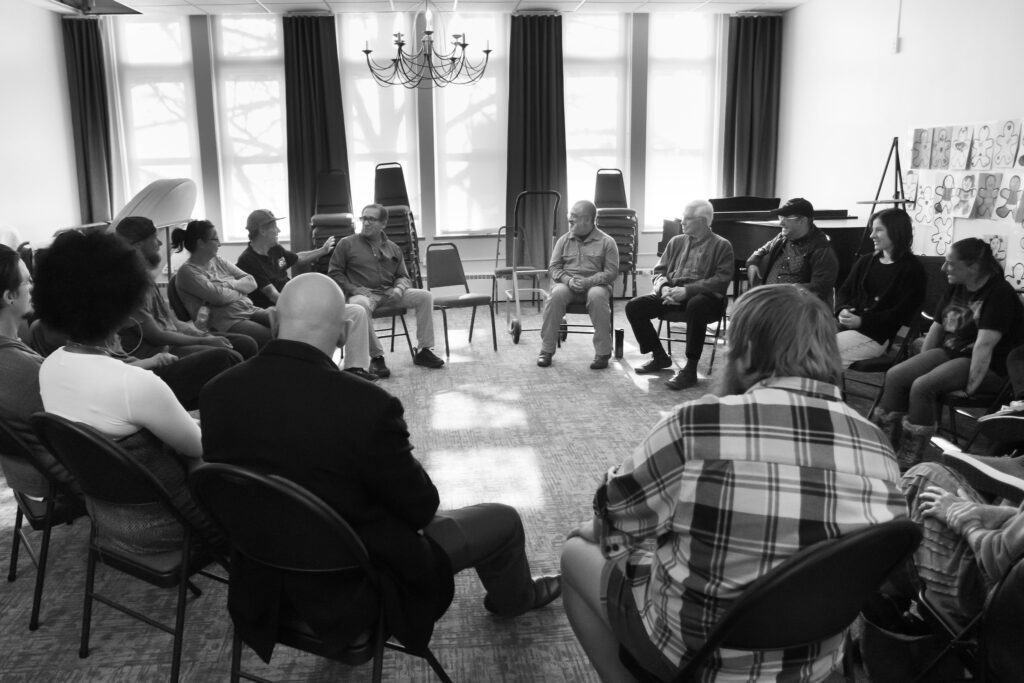
Photo by Rich Saxon
This week’s takeaway: We have real power to change the narratives around us.